CASE STUDY: MACY'S
Architecting Personalization: A Scalable Recommendation Engine for Macy's
Leading the transformation from surface-level UI tuning to a unified, context-aware decision architecture for one of the world's largest retailers.
Executive Summary
Macy's faced a critical inflection point: digital abundance was creating friction. With millions of SKUs, the "Paradox of Choice" was leading to user fatigue and abandonment. The legacy infrastructure relied on localized "UI widgets" that operated in silos, resulting in inconsistent recommendations and disjointed customer journeys.
The Challenge
Moving from simple "Customers also liked" logic to a dynamic, multi-modal engine capable of understanding intent across search, browsing, and purchase history.
The Shift
A transition from departmental UI tuning to a centralized, scalable decision architecture that aligns machine learning with business merchandising rules.
PROBLEM DEFINITION
The Paradox of Choice & Legacy Fragmentation
Legacy systems operated on a page-by-page basis. Recommendations on the Product Detail Page (PDP) had no context of what was seen on the Search Results Page (SRP). This isolation created a "memoryless" experience.
Siloed Logic: Every touchpoint had its own ranking model, leading to contradictory suggestions.
Low Latency Ceiling: Processing millions of permutations in real-time caused UI lag during peak shopping seasons.
Manual Overrides: Merchandising teams lacked a "knob" to prioritize house brands or seasonal trends without breaking the ML model.
Legacy Flow: Isolated
INEFFICIENT
Search API → Local Ranking
PDP API → Local Similarity
Cart API → Cross-sell Logic
Zero Cross-Sectional Intent Awareness
Architectural Leadership
As the Lead Staff Designer, I bridged the gap between pure mathematics and human intent.
ML Engineering
Defined the 'Human Signal' requirements, ensuring algorithms prioritized visual similarity and brand affinity over raw click-through rates.
Merchandising
Developed the framework for 'Business Levers', allowing teams to inject seasonal relevance into automated rankings without degrading model trust.
Product Strategy
Aligned recommendation KPIs with Lifetime Value (LTV) rather than short-term conversion spikes, fostering customer loyalty.
Design Systems
Created a unified component vocabulary for recommendations, ensuring a consistent 'Premium Discovery' feel across all platforms.
The Unified Decision Layer
A four-tiered architecture designed to filter billions of possibilities into a single moment of perfect relevance.
01
SIGNALS
Real-time telemetry: Browse path, dwell time, cart additions, and visual similarity embeddings.
02
RULES
Governance: Margin optimization, stock availability, and categorical exclusivity rules.
03
RANKING
The ML Engine: Personalized scoring based on historical affinity and predicted probability of purchase.
04
TRUST
The Context Filter: Final UI logic ensuring price point consistency and visual aesthetic harmony.
Curated Excellence in Action
An Intelligent PDP
From competing items
to completing the look
to completing the look
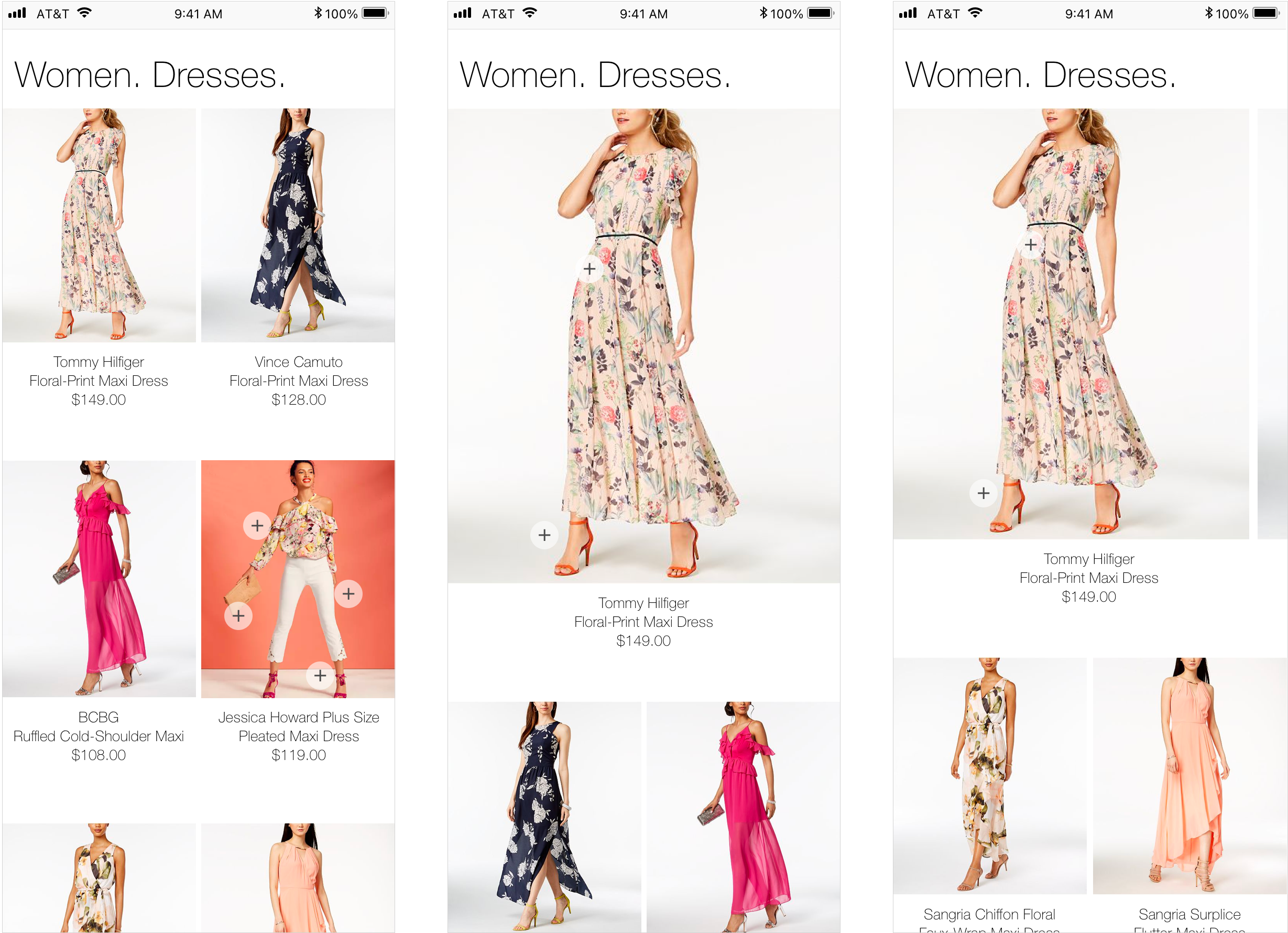
Rather than showing "similar items" that compete with the current product, the new system prioritizes complementary items ("Complete the Look"). This shifted the internal logic from horizontal discovery to vertical basket building.
This project oversaw the strategic shift from fragmented, static recommendation widgets to a dynamic, governed engine. By moving beyond surface-level UI improvements, we built a robust "Decision Layer" that synthesizes customer behavior, real-time inventory, and brand logic into a seamless discovery experience.
← BEFORE: Legacy PDP
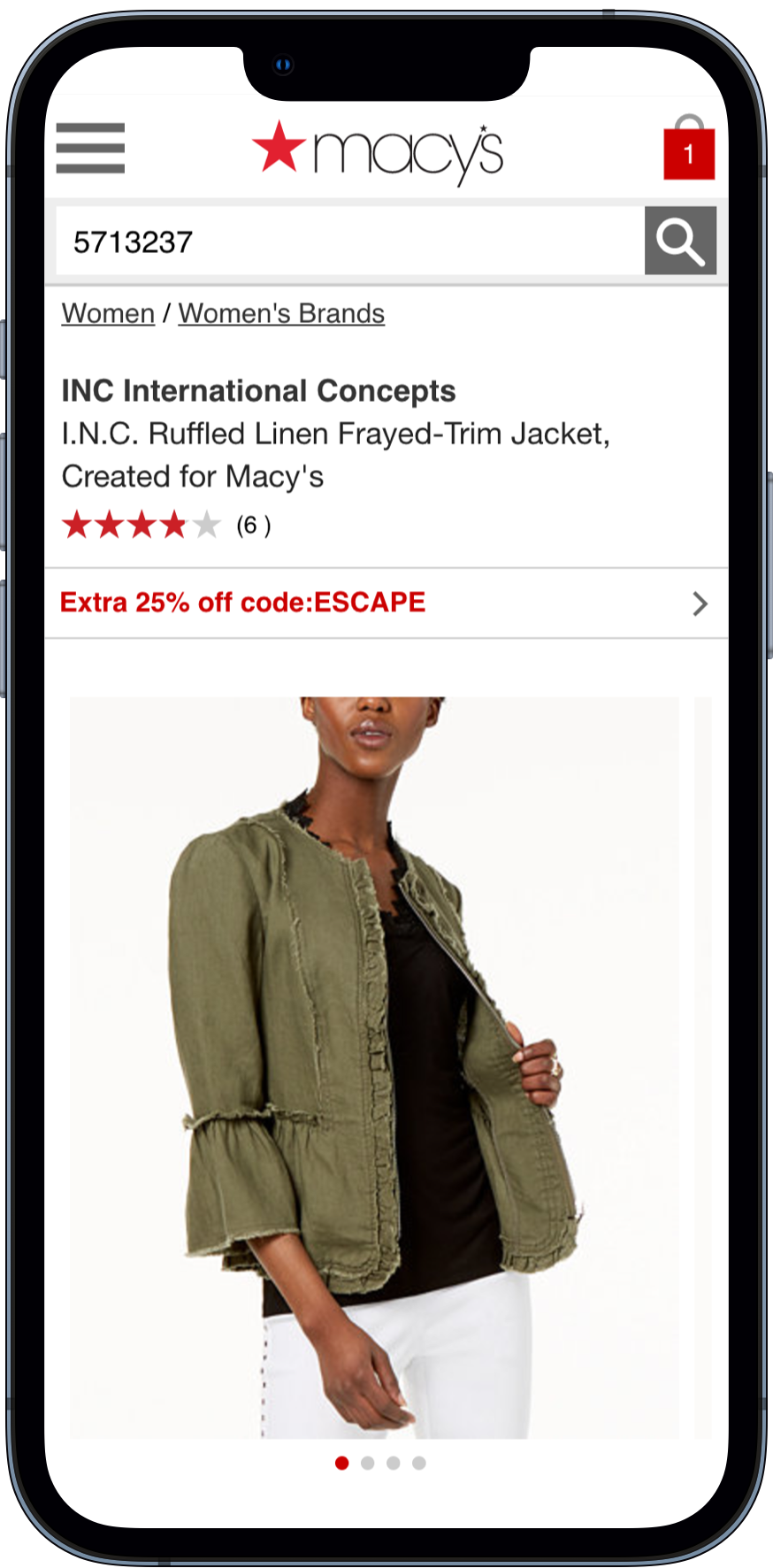
→ AFTER: Direction 1
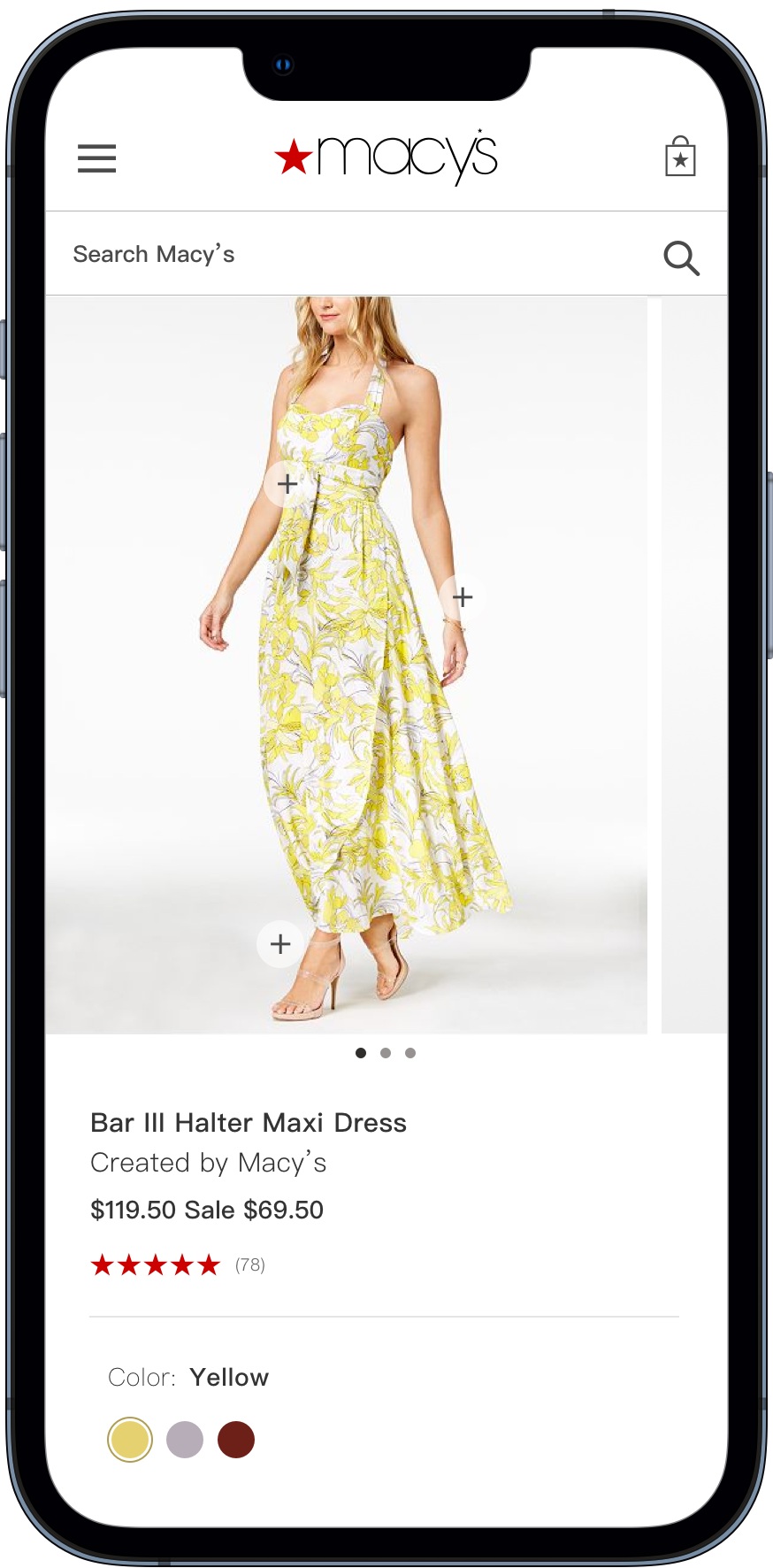
→ AFTER: Direction 2
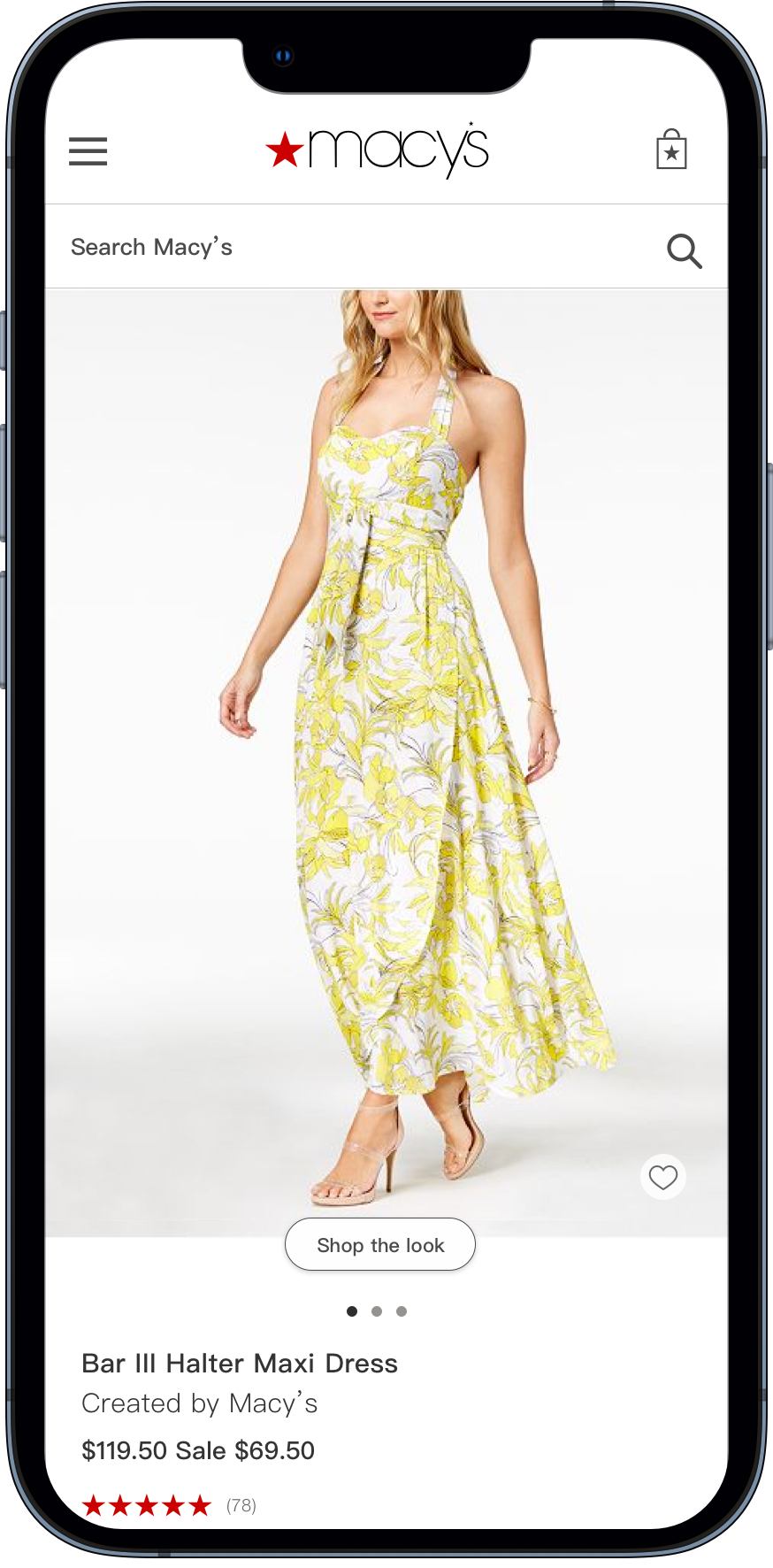
High-Velocity Overlays
We aren't just selling more; we're reducing the time-to-decision for the customer.
When a user adds to cart, we trigger a high-intent decision layer.
The system analyzes the cart contents in 18ms to suggest additional
items most likely to increase the transaction value without
causing friction.
→ OVERLAY Direction 1
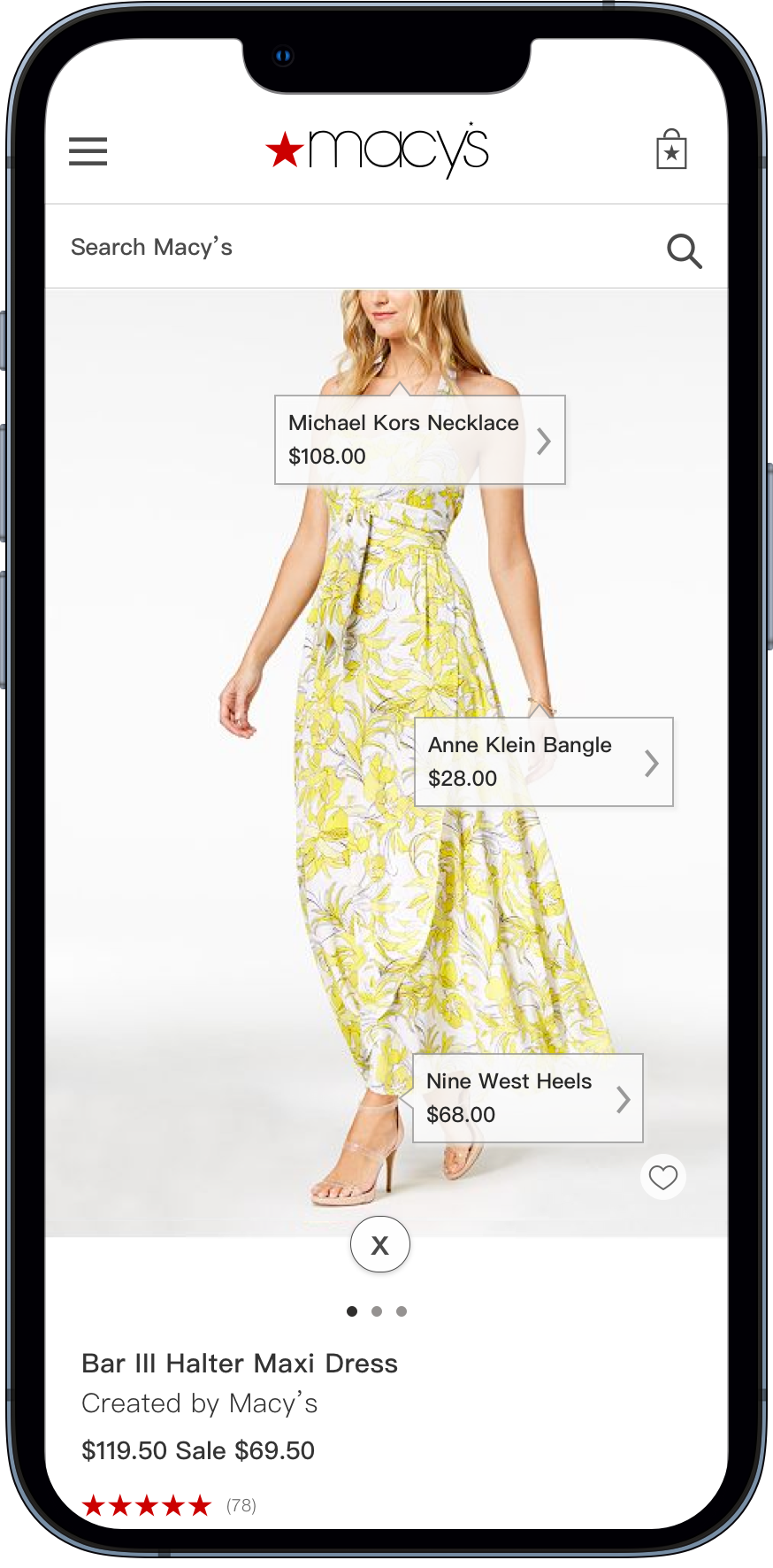
→ OVERLAY Direction 1 (step 2)
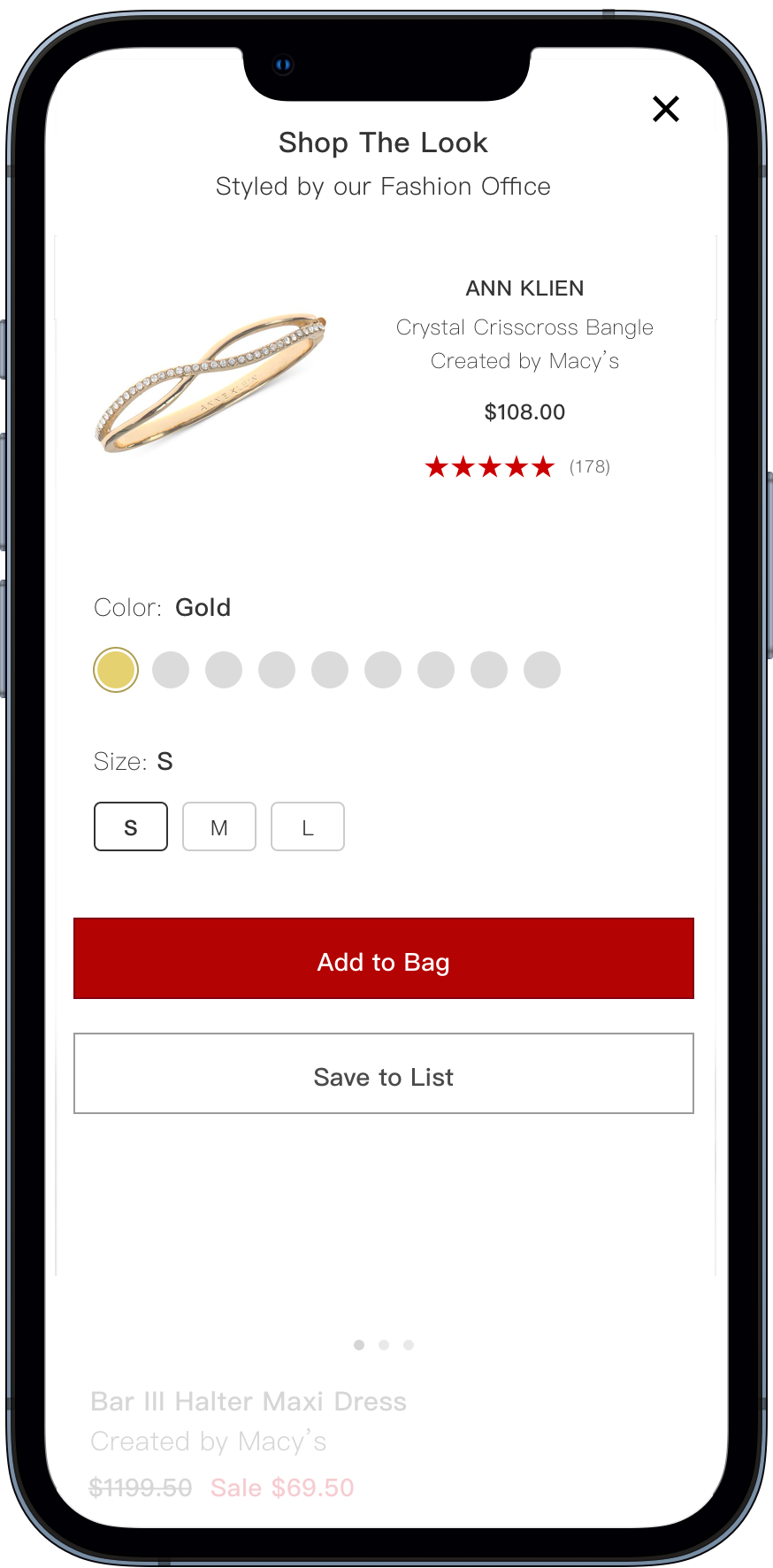
→ OVERLAY Direction 2
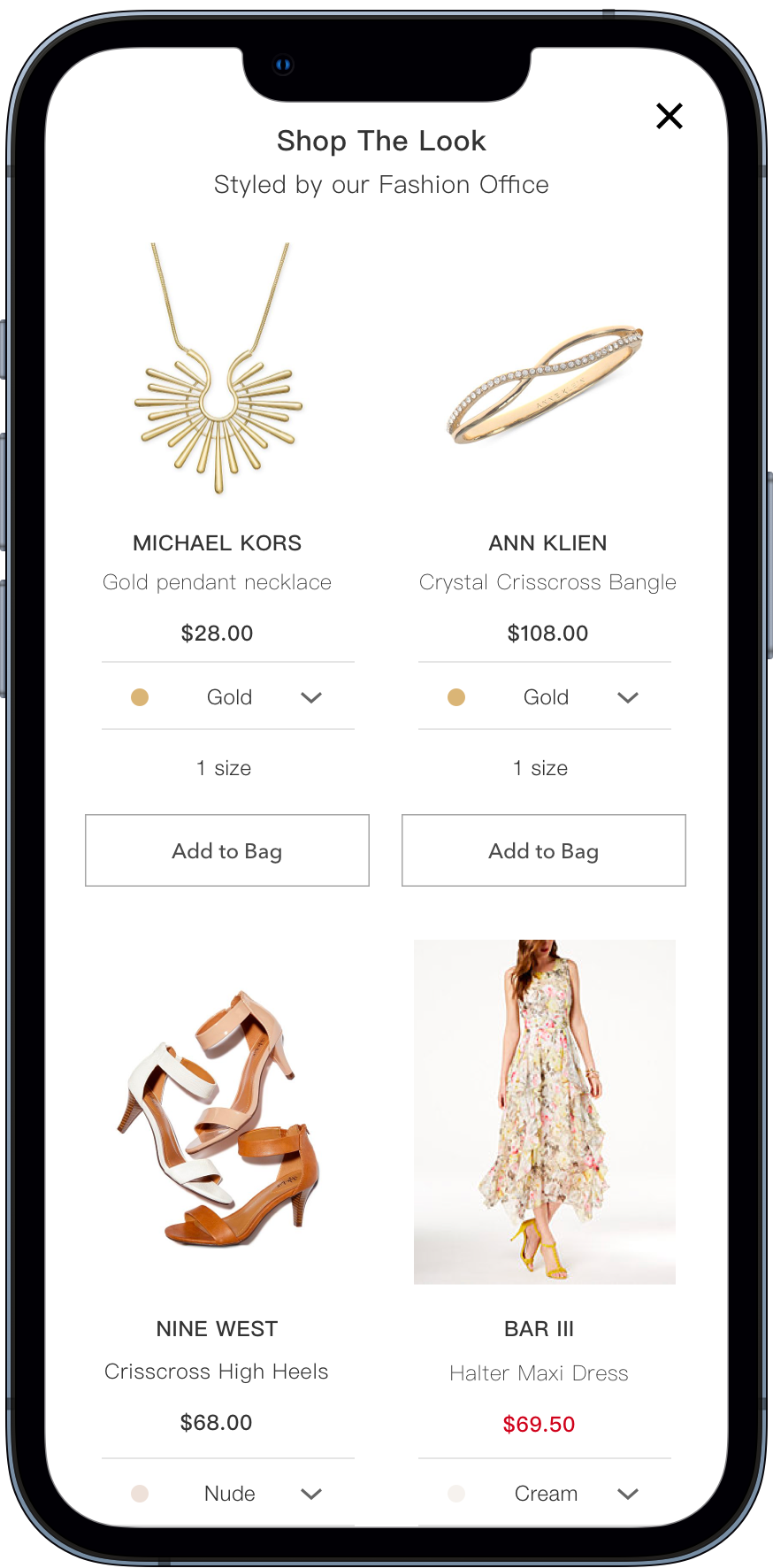
+24%
Conversion Lift
Directly attributable to the 'Complete the Look' architecture rollout.
18ms
P99 Latency
Optimization of the ranking layer allowed for near-instant response times.
$140M
Incremental Revenue
Annualized impact of the decision architecture across digital channels.
The Qualitative Evolution
Legacy: Siloed & Reactive
01
Departmental Data
Recommendations were calculated based on category silos (Shoes didn't know about Apparel).
02
Click-Only Optimization
Models optimized for the next click, often leading to "clickbait" products that didn't convert.
✦
Future: Centralized & Predictive
01
Cross-Category Awareness
Unified vector space allows the engine to understand the relationship between all SKU types.
02
LTV-Driven Ranking
Ranking models now factor in brand loyalty and return probability to ensure high-quality matches.