Architecting personalization: a scalable recommendation engine for Macy's.
A unified decision layer that took recommendations from page-by-page widgets to one architecture spanning search, PDP, cart, and post-purchase.
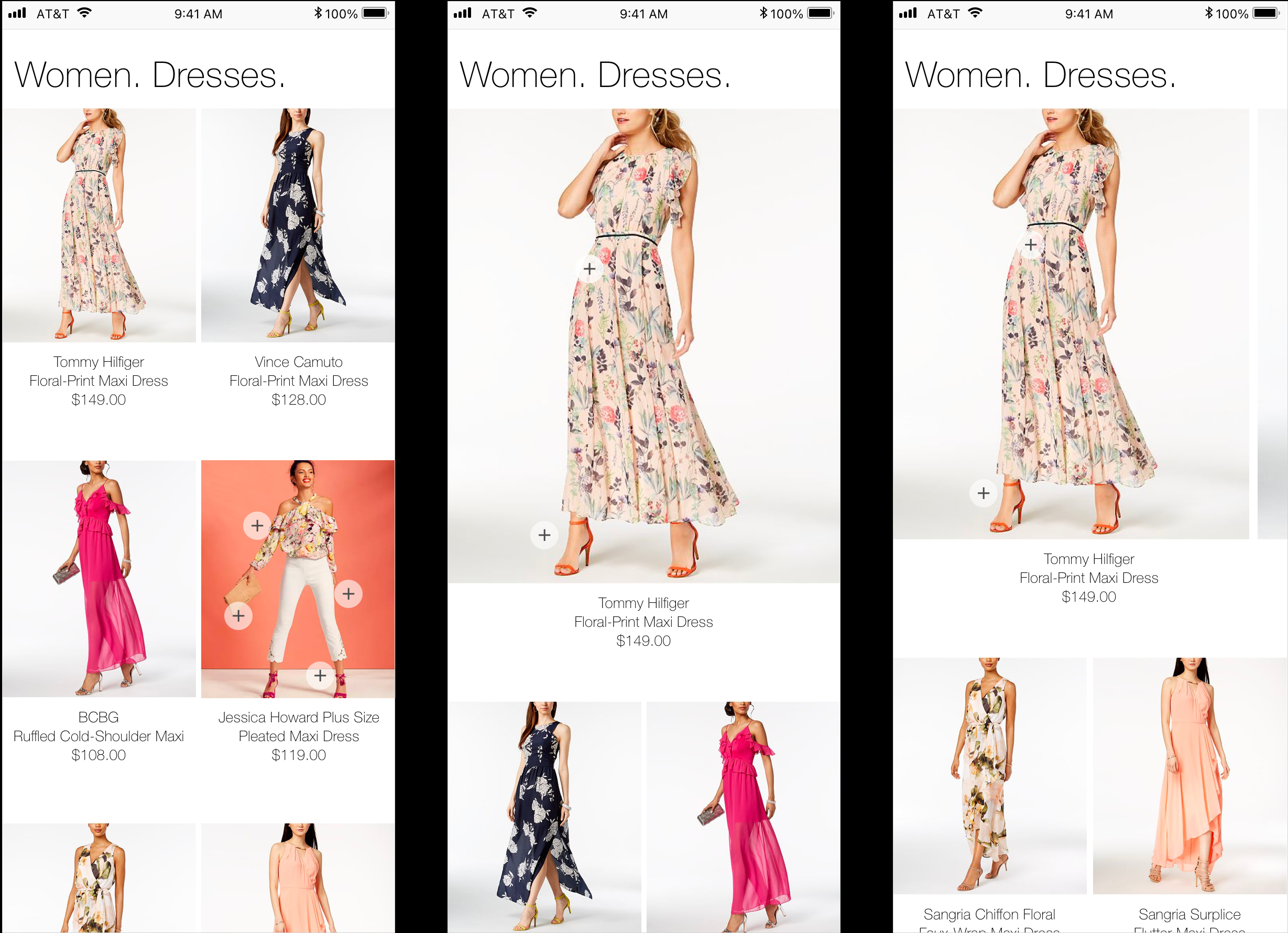
The recommendation experience had fragmented over time across the PDP, search, and cart. Because each surface relied on different ranking models and disconnected signals, customers often encountered contradictory or irrelevant recommendations within the same session.
I led design for the shift from page-by-page widgets to one decision layer: a shared model for signals, governance, ranking, and trust that every surface could render against the same component vocabulary.
Every page recommending in isolation.
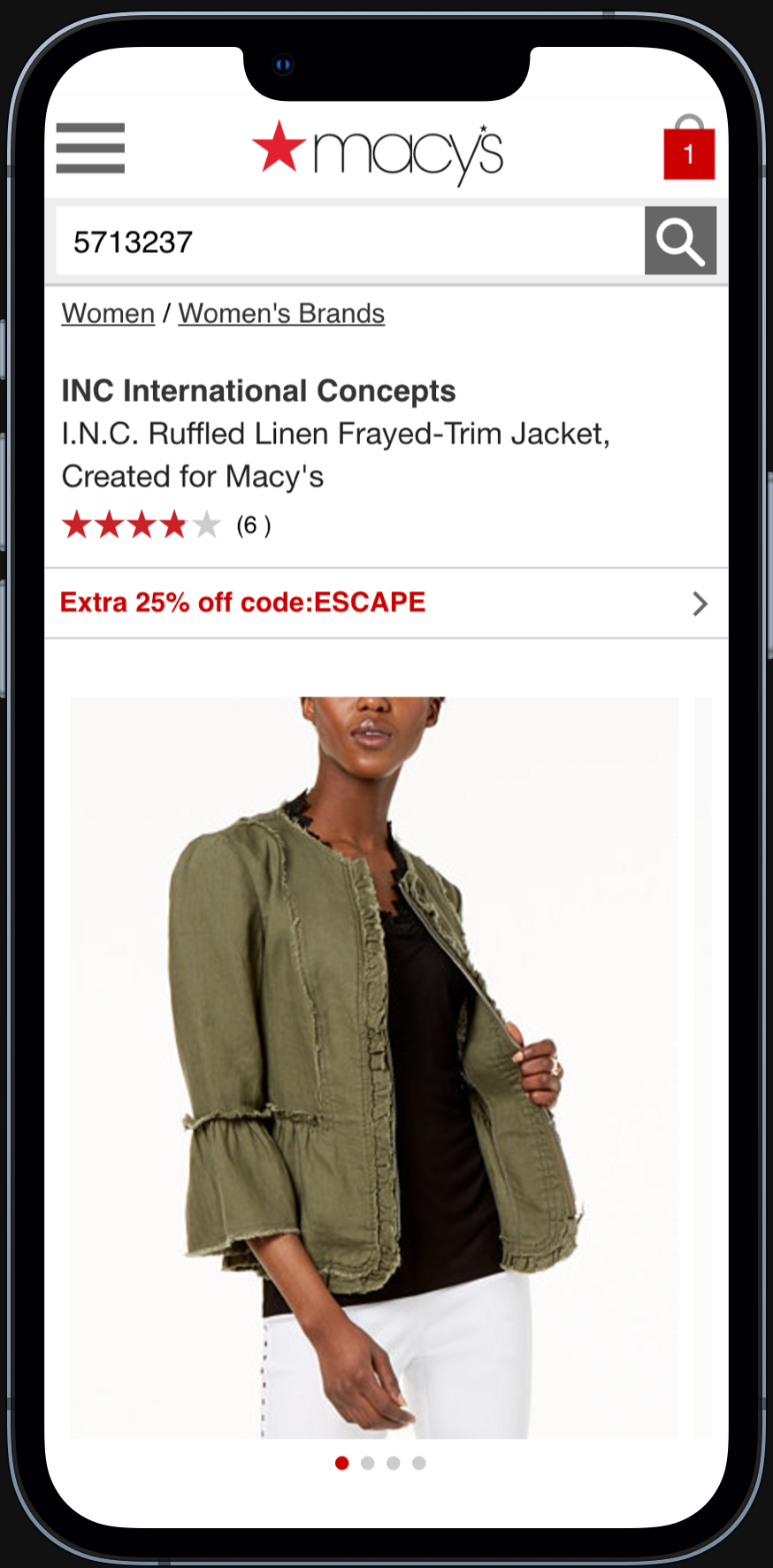
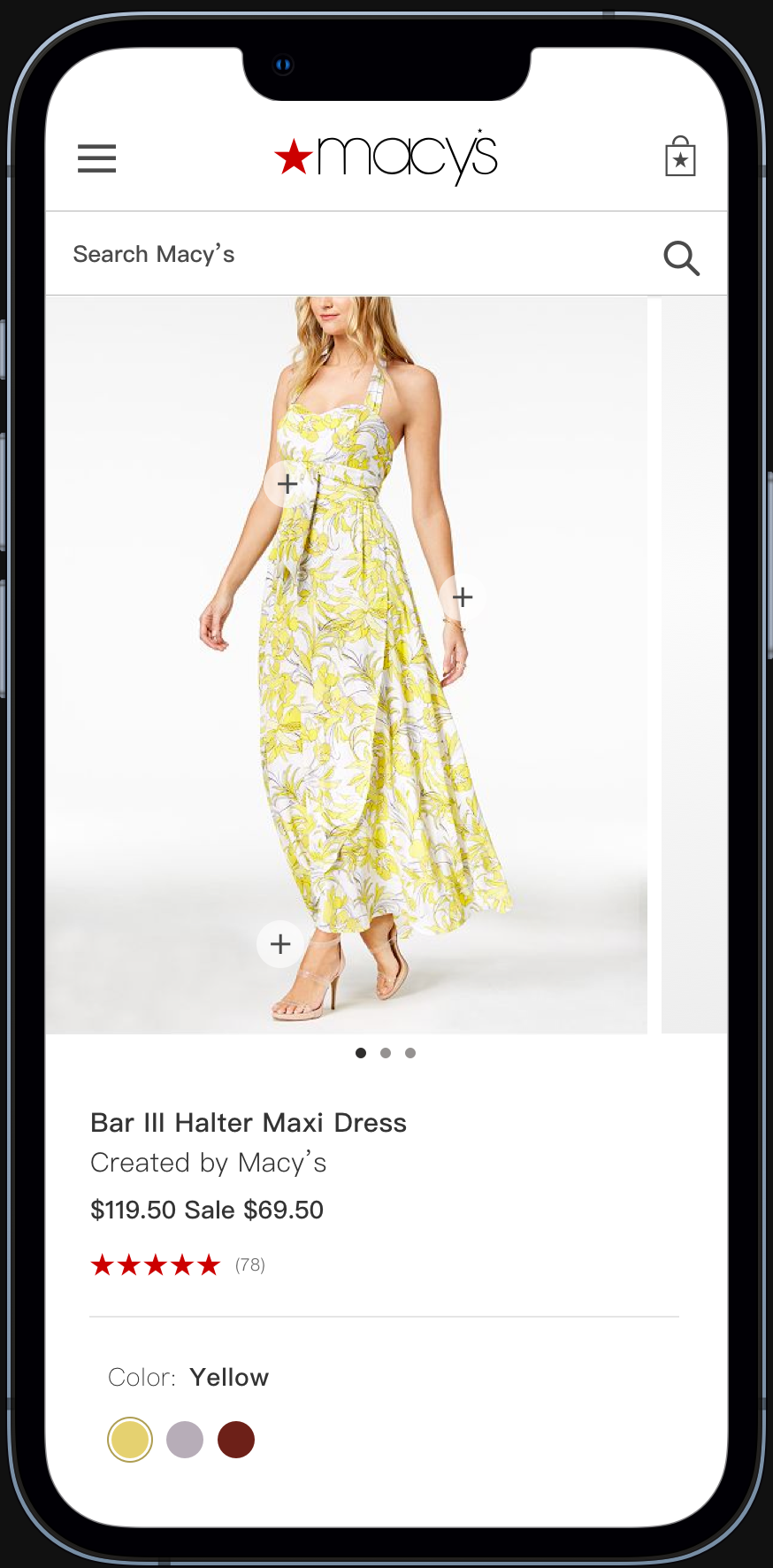
The problem wasn't the algorithm.
It was the surface around it.
From siloed widgets to a unified decision layer.
Legacy systems operated on a page-by-page basis. The PDP had no context of what was seen on the search results page, and the cart had no memory of either. Each touchpoint shipped its own ranking model and produced contradictory suggestions.
The redesigned architecture established a shared recommendation framework across surfaces, aligning signals, governance, ranking logic, and trust patterns through a common system of tokens and rules.
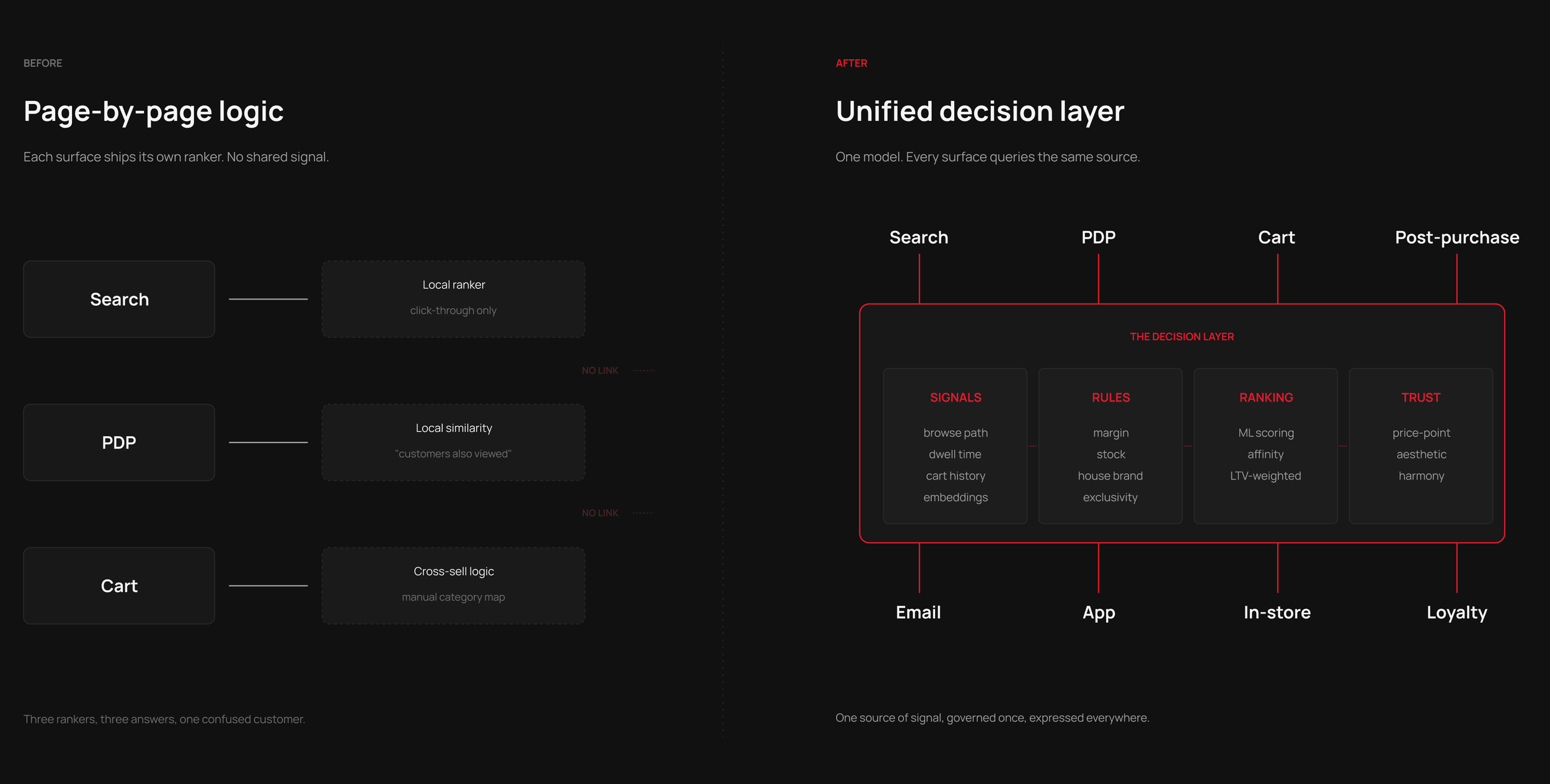
A four-tier architecture: signals, rules, ranking, and trust.
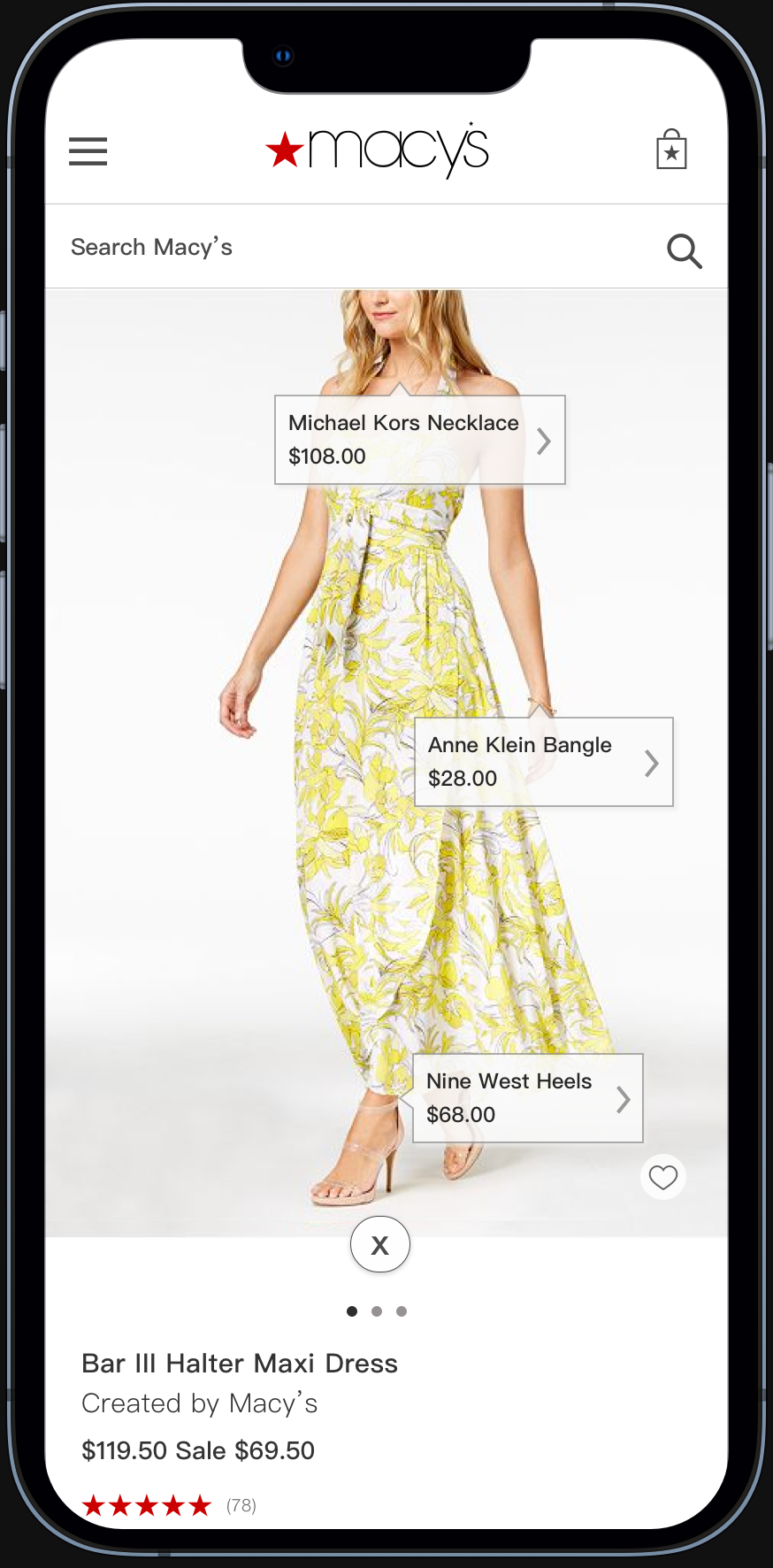
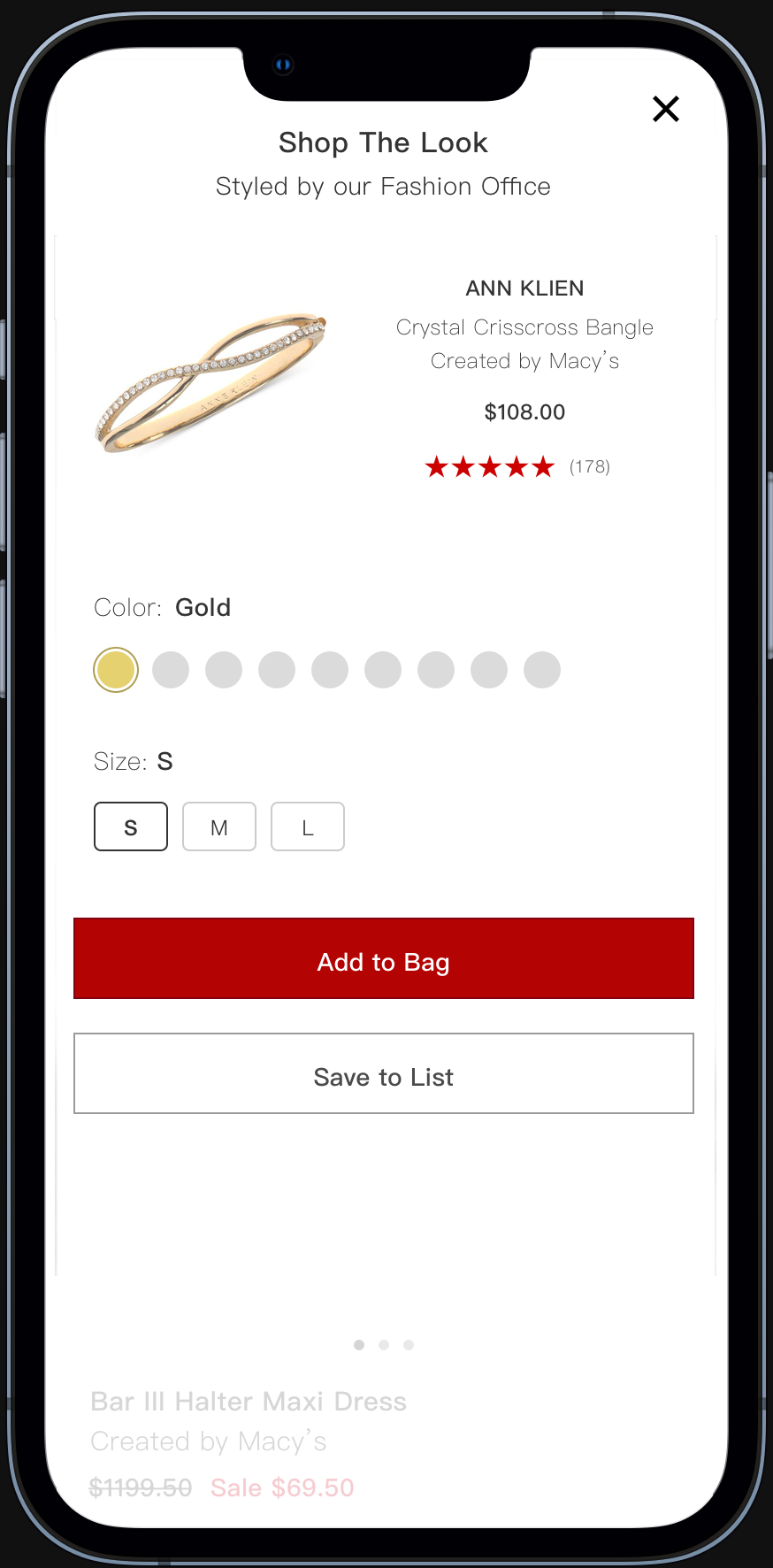
One framework, four organizations.
Shipped in 2022.
Revisited in 2026 with AI.
What this project would look like if I shipped it today.
After Macy's launched, I went back and re-ran two phases of the work with AI in the loop, to see where it actually accelerated me and where it didn't.
Claude accelerated the synthesis of merchandiser interviews and behavioral analytics into four shared context dimensions, compressing weeks of analysis into a matter of hours.
Figma Make let me prototype the cart overlay as a working component with live state, which made the 18ms latency target a design constraint instead of an engineering afterthought.
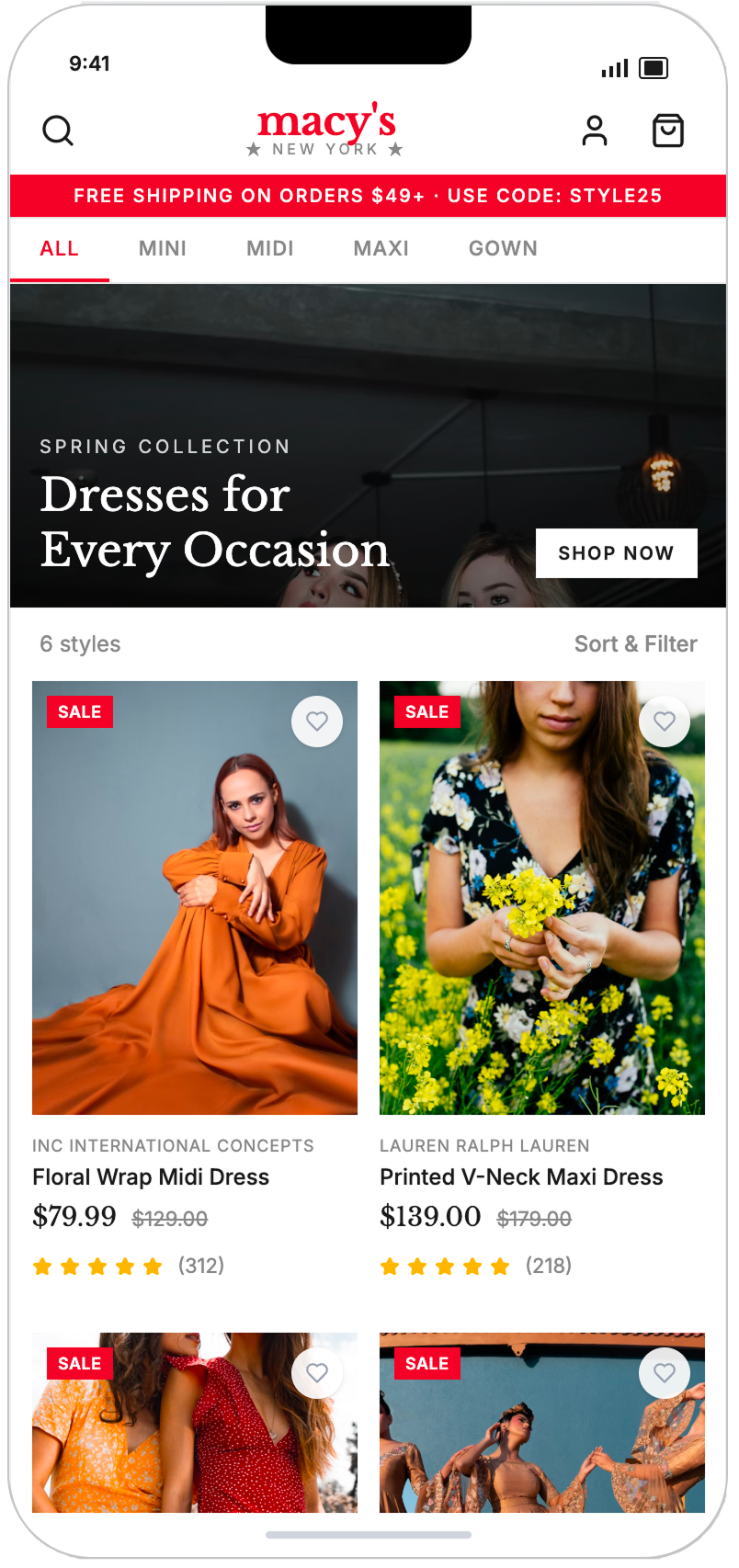
The complexity of the project came less from the algorithm or UI and more from cross-functional alignment. Merchandising, ML, and platform teams had to operate as owners of a single personalization system rather than separate initiatives.